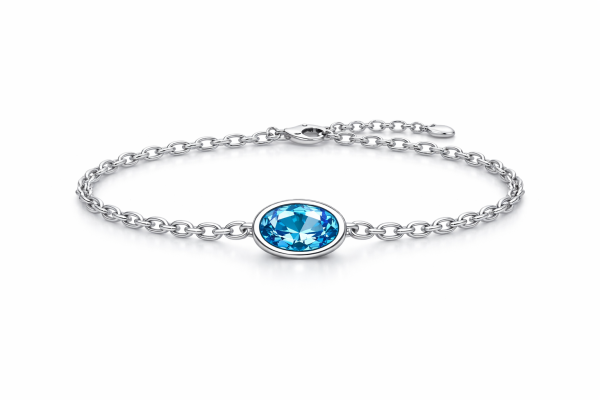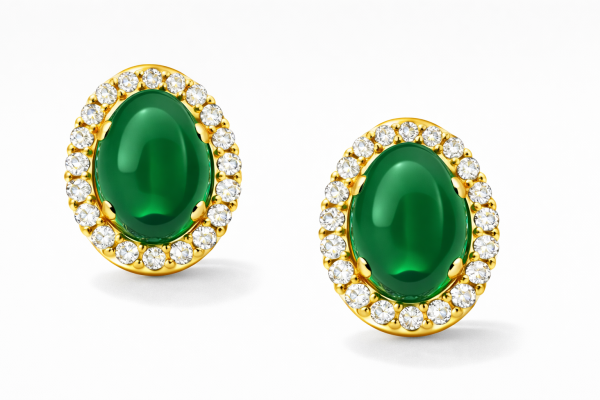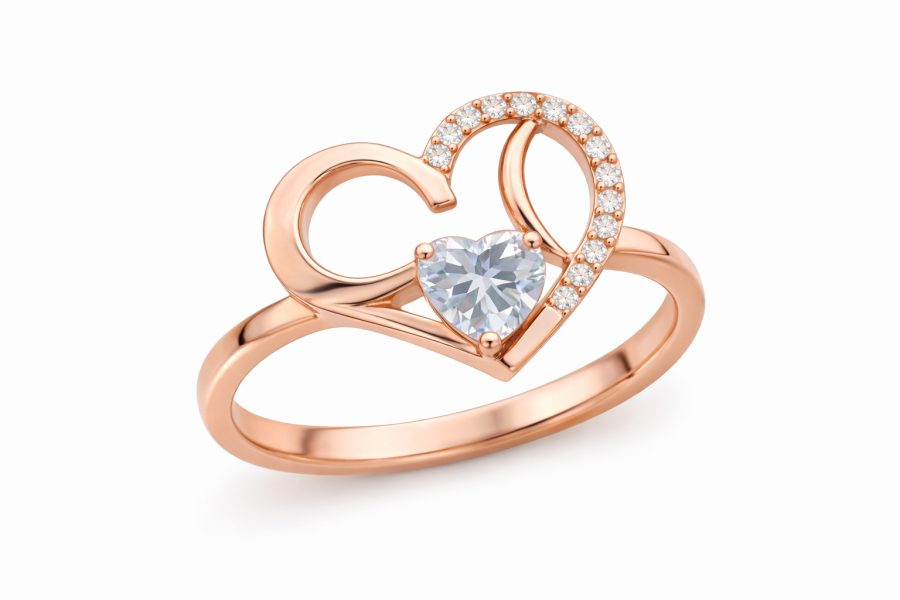
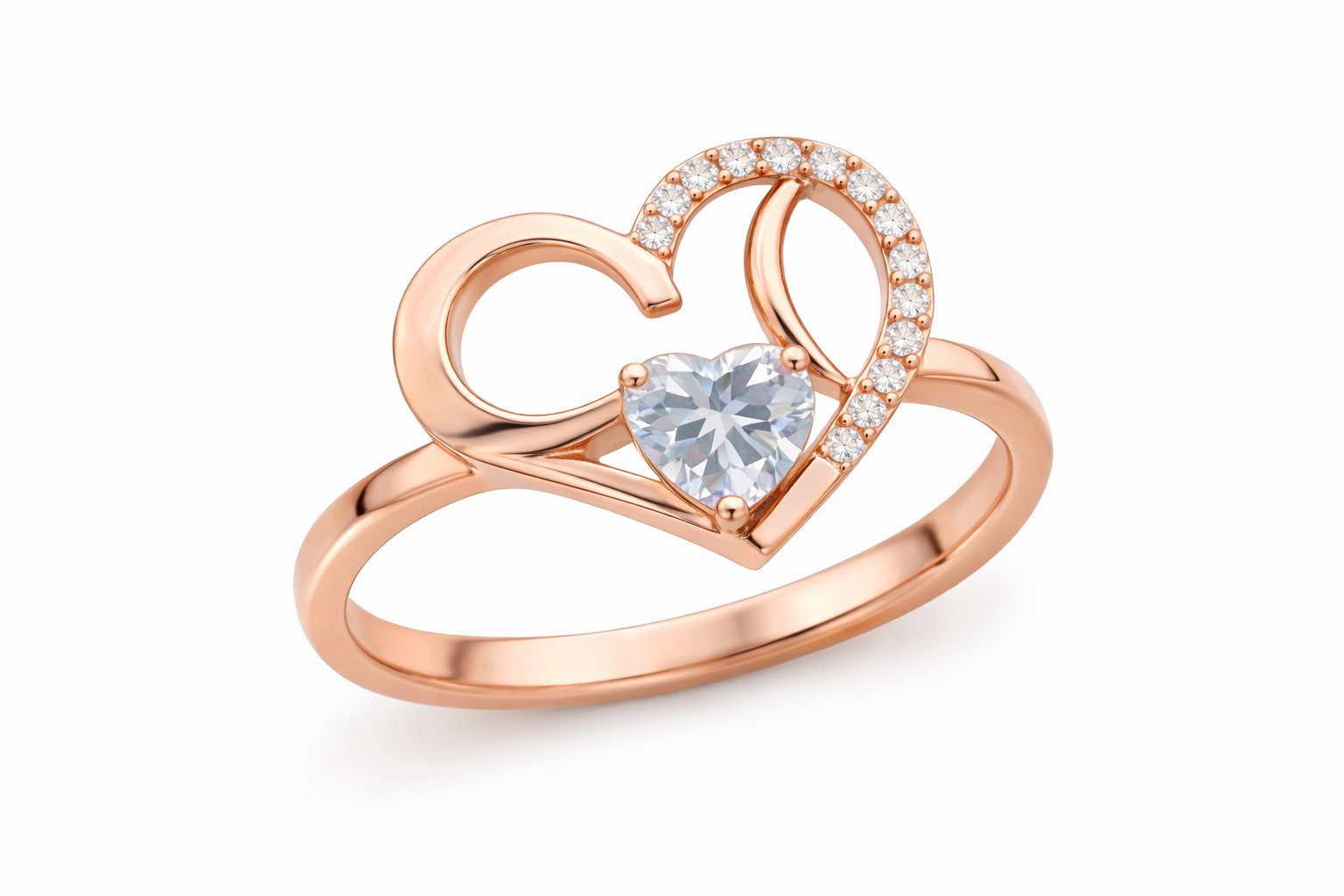
Every retailer faces this question: should you focus on silver jewelry, gold jewelry, or both? The answer depends on your target market, budget, and business model. Both have their advantages and both can be profitable. But understanding the economics of each helps you allocate your buying budget more effectively.
Let us compare silver and gold jewelry from a pure business perspective.
The Economics of Silver Jewelry
Silver jewelry has lower entry costs. You can stock a full collection of 50-100 designs for the same investment that would buy you 10-15 gold pieces. This means more variety for your customers and more chances to make a sale.
- Average wholesale cost per piece: $5-30
- Average retail price: $20-120
- Typical markup: 3-4x
- Inventory risk: Lower (less capital tied up per piece)
- Customer base: Broader (more people can afford it)
- Repeat purchase rate: Higher (customers buy more frequently)
The Economics of Gold Jewelry
Gold jewelry has higher per-piece value, which means fewer sales needed to hit revenue targets. One gold ring sale can equal 5-10 silver ring sales in revenue. But the investment is higher and the customer base is narrower.
- Average wholesale cost per piece: $100-500
- Average retail price: $300-2000+
- Typical markup: 2-2.5x
- Inventory risk: Higher (more capital per piece, gold price fluctuation)
- Customer base: Narrower (luxury/occasion buyers)
- Repeat purchase rate: Lower (bigger purchases, less frequent)

Our Recommendation
For most new brands and retailers, starting with silver makes more sense. Lower risk, more variety, faster inventory turnover. Once you have established your customer base and understand what sells, add gold pieces as your premium tier.
If your brand is positioned as luxury from day one, then gold is your primary material. But even luxury brands benefit from having a silver “entry point” collection that brings new customers into the brand.
We manufacture both 18K gold and 925 sterling silver jewelry. Many of our clients stock both and use silver as their volume driver while gold serves as their premium offering. Talk to us about building a balanced collection for your store.