How to Choose the Right Jewelry Manufacturer in India Without Getting Burned
Finding the right jewelry manufacturer can make or break your business. Whether you are a retailer in the US, a brand owner in Europe, or...


Quality control separates good jewelry manufacturers from bad ones. When you are buying hundreds or thousands of pieces for your brand, even a 5% defect rate means dozens of unhappy customers, returns, and damage to your reputation. The best manufacturers catch problems before they reach you, not after.
Here is how quality control works in professional jewelry manufacturing and what you should expect from your supplier.
In a well-run manufacturing facility, quality checks happen at multiple stages, not just at the end. Here is what a proper QC process looks like:
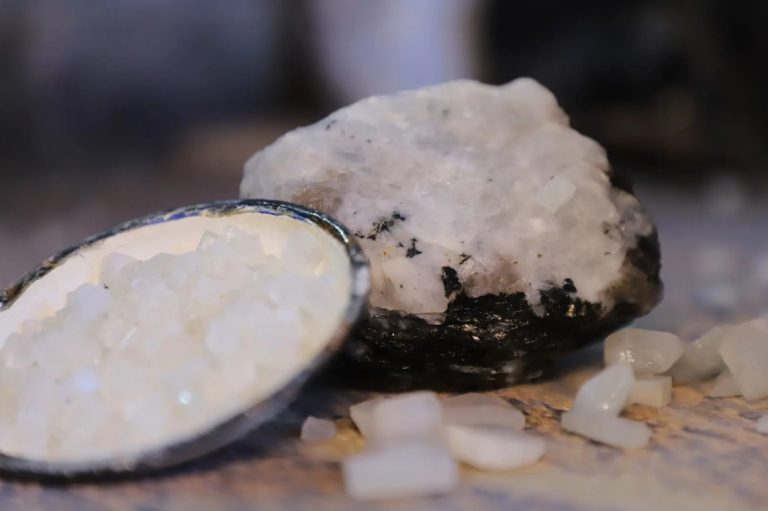
Before production even starts, incoming materials are tested. Gold alloy is checked for karat purity using XRF machines. Silver is verified for 925 composition. Gemstones are inspected for color consistency, clarity, and size accuracy. This prevents problems downstream.
During production, pieces are checked at each stage. After casting, they are weighed and visually inspected. After stone setting, each stone is tested for security. After polishing, surfaces are examined under magnification for scratches or pits.
Every finished piece goes through a final check before packaging. This includes weight verification, dimension measurement, visual inspection, clasp testing, and hallmark verification. Pieces that do not meet standards are sent back for rework or rejected.

When you receive an order, here are the most common issues to check:
Before placing a large order, ask these questions:
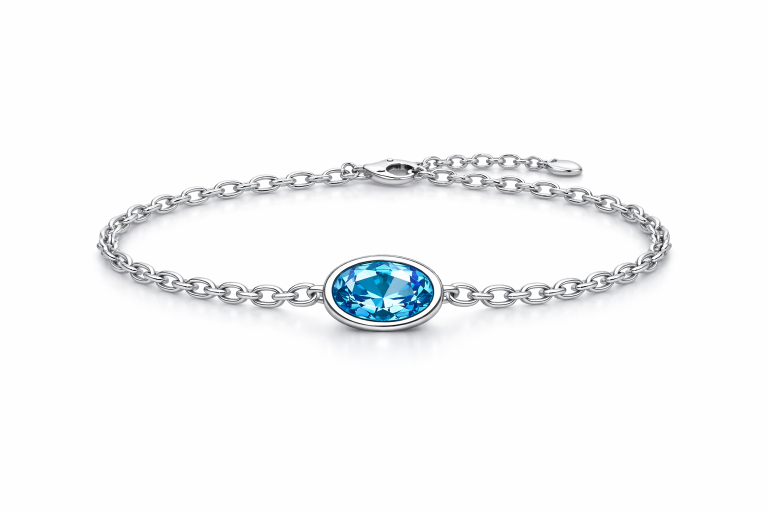
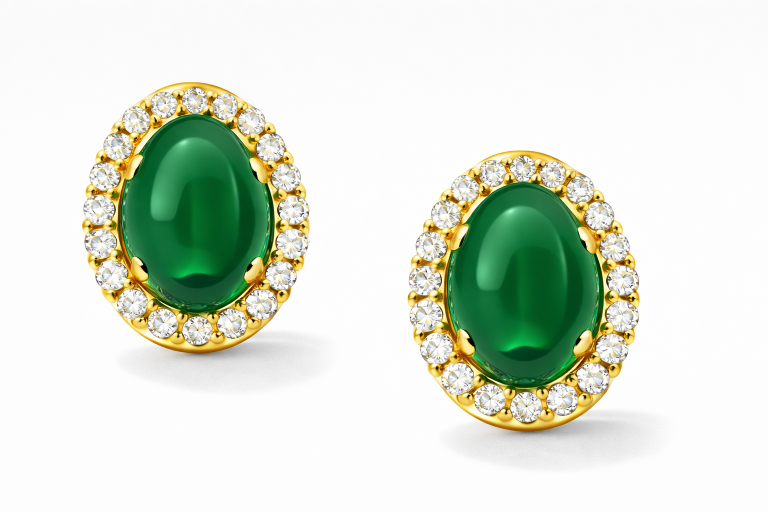
At Pukhraj Gems, quality control is built into every stage of our production. We inspect each piece individually before it leaves our facility. Our defect rate is under 1%, and we replace any piece that does not meet the agreed specifications. Browse our product catalog to see the quality of our work, or request samples to evaluate in person.
 by
by