

The Future of Industry: Driving Value Through Sustainable Manufacturing
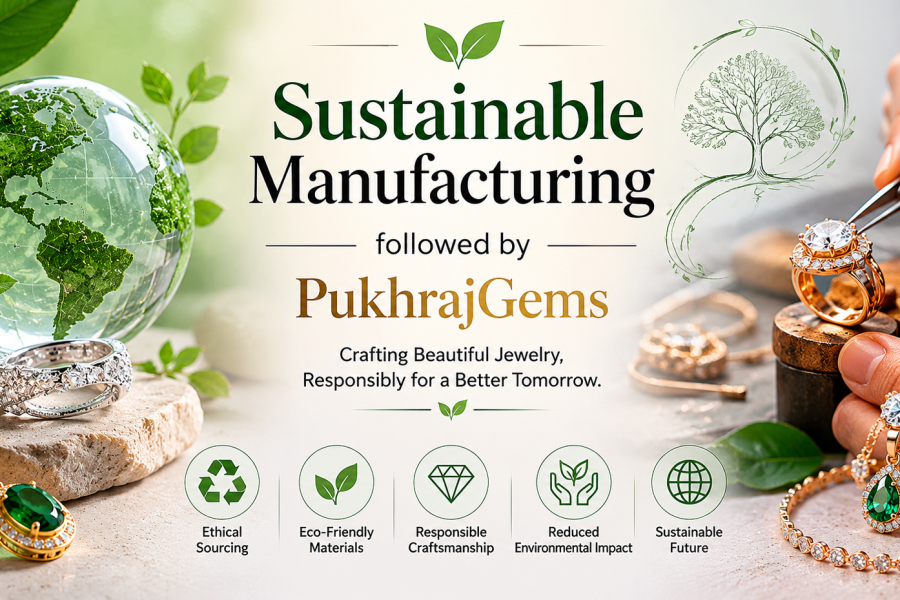
The jewelry industry has long been associated with beauty, craftsmanship, and cultural significance. However, as consumers become more conscious of environmental and social issues, the demand for sustainable manufacturing in the jewelry sector is rapidly increasing. Sustainable manufacturing focuses on creating high-quality jewelry while minimizing environmental impact, conserving natural resources, and ensuring ethical practices throughout the supply chain.
Today, sustainable manufacturing is not only a business responsibility but also a competitive advantage that helps jewelry brands build trust, enhance brand value, and contribute to a better future.
What is Sustainable Manufacturing in Jewelry?
Sustainable manufacturing in the jewelry sector involves adopting environmentally responsible and socially ethical practices during the sourcing, production, packaging, and distribution of jewelry products. It aims to reduce waste, lower carbon emissions, conserve energy, and promote fair labor standards while maintaining exceptional product quality.
By integrating sustainability into every stage of production, jewelry manufacturers can create products that reflect both luxury and responsibility.
Key Principles of Sustainable Jewelry Manufacturing
1. Responsible Sourcing of Raw Materials
Ethical sourcing is the foundation of sustainable jewelry manufacturing. Jewelry companies are increasingly sourcing gemstones, diamonds, and precious metals from suppliers who follow responsible mining practices and respect human rights.
Using recycled gold, silver, and platinum helps reduce the environmental impact associated with mining while preserving natural resources.
2. Energy-Efficient Production
Modern jewelry manufacturers are investing in energy-efficient machinery, renewable energy sources, and optimized production processes to reduce their carbon footprint. Solar power, LED lighting, and advanced manufacturing technologies contribute to lower energy consumption and improved operational efficiency.
3. Waste Reduction and Recycling
Jewelry manufacturing generates metal scraps, polishing residues, and packaging waste. Sustainable manufacturers implement recycling systems that recover valuable materials and minimize waste sent to landfills.
Reusing precious metal scraps and refining production waste not only supports sustainability but also reduces manufacturing costs.
4. Eco-Friendly Packaging
Sustainable jewelry brands are replacing plastic-based packaging with recyclable, biodegradable, or reusable alternatives. Environmentally friendly packaging enhances brand reputation while reducing environmental impact.
5. Ethical Labor Practices
Sustainability extends beyond environmental concerns. Responsible jewelry manufacturers prioritize employee welfare, workplace safety, fair wages, and equal opportunities. Ethical labor practices help create a positive work environment and support long-term business growth.
Benefits of Sustainable Manufacturing in the Jewelry Industry
Environmental Protection
Sustainable manufacturing reduces resource depletion, energy consumption, water usage, and greenhouse gas emissions. These efforts help preserve ecosystems and protect biodiversity.
Enhanced Brand Reputation
Consumers increasingly prefer brands that demonstrate environmental and social responsibility. Sustainable practices strengthen customer trust and brand loyalty.
Cost Savings
Efficient resource utilization, recycling programs, and energy-saving initiatives can significantly reduce operational expenses over time.
Regulatory Compliance
Governments and international organizations are introducing stricter environmental regulations. Sustainable manufacturing helps jewelry businesses stay compliant and prepared for future requirements.
Long-Term Business Growth
Companies that invest in sustainability are better positioned to meet changing market expectations and build resilient business models.
Technology Driving Sustainability
Innovative technologies are transforming sustainable jewelry manufacturing. Computer-Aided Design (CAD), 3D printing, and precision manufacturing techniques reduce material waste and improve production efficiency. Digital tracking systems also enhance supply chain transparency, enabling businesses to verify the origin and ethical sourcing of materials.
The Future of Sustainable Jewelry Manufacturing
As sustainability becomes a defining factor in consumer purchasing decisions, the jewelry industry is expected to accelerate its adoption of responsible manufacturing practices. Circular economy models, recycled precious metals, renewable energy, and transparent supply chains will play a critical role in shaping the future of the sector.
Jewelry brands that embrace sustainability today are not only protecting the environment but also creating lasting value for customers, employees, and communities.